
Practical, friendly, and a little bit nerdy about soil, here are ten smart gardening moves that save water, help pollinators, and make your yard an eco friendly asset.
These tips are designed so you can pick a few to start this season, see results quickly, and scale up as you get more confident.
In my view the best gardens are built with small experiments, patient soil work, and a handful of native plants that do most of the heavy lifting.
In a Nutshell
- Native plants do most of the work for you: Choosing plants adapted to your region reduces watering, fertilizer use, and pest problems while supporting local wildlife.
- Healthy soil is the foundation of a sustainable garden: Adding compost and organic matter improves water retention, plant health, and long term garden resilience.
- Water efficiency matters more than plant choice alone: Drip irrigation, soaker hoses, mulching, and smart timing can cut outdoor water use dramatically without sacrificing growth.
- Small changes add up quickly: Replacing even a small patch of lawn, adding one rain barrel, or planting a pollinator bed delivers real environmental benefits.
- Designing for ease ensures long term success: Grouping plants by water needs and planning for year round interest makes sustainable gardening easier to maintain and more enjoyable.
10 SUSTAINABLE GARDENING TIPS FOR AN ECO FRIENDLY HOME
1) Choose native and adapted plants for your region

Native plants are adapted to local climate and soil, so they usually need less water, fertilizer and pest treatment than exotic ornamentals.
They also support local wildlife such as bees and butterflies better than non native species. Use a regional native plant database to pick species suited to your climate and soil.
The Lady Bird Johnson Wildflower Center maintains a large native plant database that is very helpful for finding the right picks for your area.
Trueecoliving Tip: Find three native perennials for sun and three for shade that will bloom at different times of year.
2) Improve soil health with compost and organic matter

Healthy soil is the backbone of a sustainable garden. Adding finished compost increases organic matter, improves water retention in sandy soils, and improves drainage in clay soils.
Small additions each year, for example a thin inch of compost on beds, make a big difference over time. The USDA and extension services offer practical guidance on how to build soil and when to apply compost.
TEL Tip: Spread about one inch of finished compost over beds this fall or early spring and gently work it into the topsoil.
3) Water smart, not more

To build a sustainable gardening, water at the right time, early morning or late evening, to reduce evaporation and only give plants what they need.
Use drip irrigation or soaker hoses for beds and targeted watering instead of overhead sprinklers which waste lots of water.
The EPA WaterSense program has simple watering tips and resources for efficient landscape watering.
Trueecoliving Tip: Replace one sprinkler zone with a soaker hose and install a timer so you water for shorter, deeper cycles.
4) Mulch generously to lock in moisture and suppress weeds

Mulch is a cheap superstar. A 2 to 3 inch layer of organic mulch around plants reduces evaporation, moderates soil temperature, and suppresses many weeds so you do less weeding and use less water.
Use shredded leaves, wood chips or composted bark, and keep mulch a few inches away from stems and trunks to avoid rot.
TEL Tip : Apply mulch to bare beds after planting or in late spring to retain moisture through summer.
Discover the top 10 sustainable fashion pieces that last. Invest in timeless, eco-friendly basics & slow fashion essentials for a greener wardrobe in 2026 🌿
5) Create habitat for pollinators and beneficial insects

A pollinator friendly patch with a mix of native nectar and pollen plants, plus places for shelter and nearby water, supports bees, butterflies and predatory insects that naturally control pests.
The Xerces Society provides region specific guidance and plant lists for building pollinator habitat. Even a small patch can be a local biodiversity hotspot.
TEL Tip: Plant three species that bloom in spring, summer and fall to provide continuous food for pollinators.
6) Use rain gardens and rain barrels to manage stormwater

To build a sustainable eco friendly environment at home, get a rain garden planted in a low spot collects runoff from roofs and hard surfaces, letting water sink in rather than running into storm drains.
Rain barrels capture roof water for later use on beds and containers. Both strategies reduce irrigation needs and protect local waterways.
The EPA has practical landscaping guidance and rain garden resources to help with sizing and plant selection.
TEL Tip: Put one rain barrel under a downspout and use that water for container plants during dry spells.
7) Replace part of the lawn with low maintenance planting

Lawns can be the thirstiest part of a yard. Replacing even a small section with native groundcover, a pollinator meadow, or ornamental grasses drastically cuts mowing time and irrigation needs.
Plan the replacement in zones, so you can experiment without committing the whole yard at once.
TEL Tip: Convert a 5 by 10 foot patch this season to a meadow plug or groundcover and compare water and maintenance needs.
8) Practice integrated pest management, not blanket pesticides

Treat pests only when necessary, start with cultural and mechanical controls like hand picking and traps, and use targeted biological controls when required.
Healthy soils and diverse planting reduce outbreaks, and beneficial predators often keep pests in check. Avoid broad spectrum pesticides that harm pollinators.
TEL Tip: Monitor plants weekly, and remove small pest problems by hand before they become big.
Expert Recommendation
Backyard Tumbling Composter
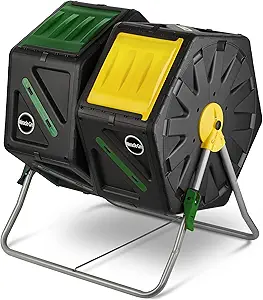
Product: Miracle-Gro Dual Chamber Compost Tumbler – Easy-Turn, Heavy-Duty Outdoor Bin Composter with 2 Sliding Doors, compact enough for small yards and durable enough for multi year use.
Why I recommend it: A tumbling composter speeds up decomposition, reduces odors, and makes using kitchen scraps easier for busy households. It produces finished compost faster than a simple pile and is great for gardeners who want quick soil improvements.
How to use it: Layer green scraps and brown material, tumble every few days, and harvest finished compost in a few weeks to months depending on the season. Keep a small countertop caddy for food scraps and empty it into the tumbler twice a week.
Disclosure: If you purchase through the link on this page TrueEcoLiving may earn a small commission at no extra cost to you. Thanks
9) Save seeds and swap plants locally

Collect seeds from successful varieties and share or swap with neighbors and community groups.
Seed saving preserves locally adapted genetics and reduces the need to buy new plants. Community swaps are also great ways to source native plants inexpensively.
TEL Tip: Learn to harvest and store seeds from one favorite annual or perennial this season.
10) Design for ease of care and seasonal interest

Good design makes sustainable gardening easy to maintain. Group plants by water needs, use permanent pathways, and include evergreen structure or winter interest so the garden looks intentional year round.
When plants are in the right place, they need less fuss and fewer inputs.
TEL Tip: Sketch your garden into hydrozones (high, medium, low water use) and move or replace one plant that is in the wrong zone.
Troubleshooting and practical tips
- If plants are wilting but soil is moist, you may have poor drainage. Improve soil structure with compost and consider raised beds.
- If pollinators are scarce, avoid pesticides and add a small shallow water source with pebbles for landing.
- If mulch attracts snails or slugs, pull mulch back for a few inches around vulnerable seedlings and use a morning watering schedule so soil surface dries by evening.
Discover 15 eco-friendly home organization tips for small spaces: thrifted bins, bamboo shelves, reclaimed wood, upcycled suitcases & more to declutter sustainably, reduce waste, and create calm functional areas.
A simple seasonal plan to get started
- Spring, plan and plant: Pick your native plant palette and add compost to beds.
- Summer, water smart: Switch to drip irrigation, mulch well, and monitor for pests weekly.
- Fall, collect leaves and compost: Add finished compost and plan for a small meadow plug next year.
- Winter, seed saving and planning: Harvest seeds, clean tools and map out next season.
Why this matters, and one honest note
Sustainable gardening is about stacking a few smart moves. Based on what I have seen so far, gardens that prioritize soil health, native plants and water wise practices give the biggest environmental return for the least effort.
You will save water, attract wildlife, and enjoy a more resilient landscape that benefits both your household and your local neighborhood.
Sources and further reading: EPA WaterSense watering tips and landscaping guidance, the Lady Bird Johnson Wildflower Center native plant database, the Xerces Society pollinator habitat guides, and USDA NRCS and extension resources on soil health and compost.
Frequently Asked Questions
No. Sustainable gardening works in small yards, patios, and even balconies. Container gardens, rain barrels, and native plants in pots can still reduce water use and support pollinators.
They are easier to find now than ever. Local nurseries, native plant sales, and community swaps often sell them at reasonable prices, and they usually cost less over time because they need fewer inputs.
Many homeowners cut outdoor water use by 30 percent or more by switching to drip irrigation, mulching, and replacing part of their lawn with low water plants.
It is not mandatory, but it is one of the most effective ways to improve soil health while reducing household waste. Even adding store bought compost once a year helps.
Not at all. With thoughtful design, paths, and plant groupings, sustainable gardens can look polished, intentional, and attractive year round while still being eco friendly.