
Affiliate disclosure: This post contains affiliate links. If you make a purchase through these links I may earn a small commission at no extra cost to you. Thank you for supporting trueecoliving.com
Small spaces can feel crowded fast. A tiny living room or studio apartment does not need to look like a cluttered storage unit.
In 2026 more people are choosing natural and recycled storage so their homes feel calm and look good without adding plastic bins.
I have organized many small spaces using thrifted baskets, bamboo shelves, and repurposed items and the result is almost always quieter and easier to keep tidy.
This post shares 15 practical tips for organizing small spaces while keeping things sustainable. The ideas focus on natural materials like bamboo, seagrass, jute, and reclaimed wood.
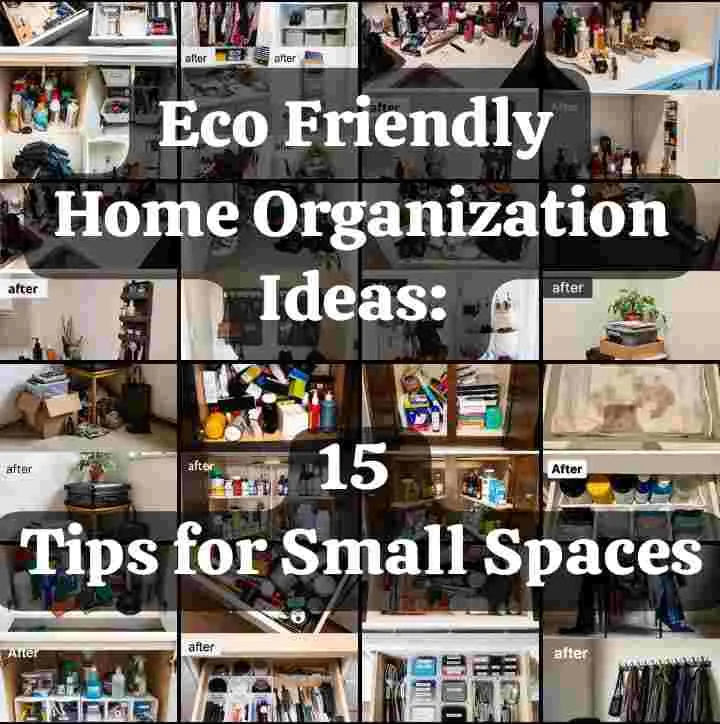
Many tips rely on thrifting or upcycling so you can save money and reduce waste. I will explain how each idea works in a small home and give quick before and after photo ideas you can use on Pinterest or Instagram.
If you want a warm natural look that lasts and cleans up faster each day, these methods will help. You do not need to replace everything at once. Start with one drawer or shelf and build from there.
In a Nutshell
- Declutter First: Before adding storage solutions, remove items you no longer need and sort into keep, donate, recycle, or repair piles. Less clutter makes every eco-friendly storage choice more effective.
- Use Sustainable Materials: Bamboo, wicker, jute, seagrass, reclaimed wood, and recycled plastics provide natural, durable, and attractive storage options for small spaces.
- Thrift and Upcycle: Many storage solutions can come from secondhand or repurposed items like vintage suitcases, fabric bins, or glass jars, saving money and reducing waste.
- Maximize Vertical & Modular Storage: Shelves, hanging organizers, and stackable bins make the most of small footprints without crowding floors, while modular units adapt to changing needs.
- Maintain & Rotate: Keep systems tidy and functional by regular cleaning, rotating seasonal items, and repairing or adjusting storage solutions as needed to prolong their life and keep spaces efficient.
Why Go Eco Friendly for Small Space Organization in 2026
There are three simple reasons to choose eco friendly storage for small spaces.
- First, natural materials look lighter and more calming than plastic. Wicker, bamboo, and jute add texture without screaming for attention.
- Second, many natural items are breathable and avoid trapped moisture which protects clothes and linens.
- Third, thrifting and repurposing reduce demand for new products and keep items out of landfill.
There are trade offs. Some natural pieces cost more new. That is why thrifting and a little DIY repurposing matter.
A secondhand wooden crate or an upcycled drawer can be free and look excellent with a little sand and a coat of beeswax.
Also watch for greenwashing. Natural looking does not always mean sustainably sourced. Ask where the material came from and choose reclaimed or certified options when you can.
Start with the areas that cause the most stress. In most small homes that is the kitchen counter, the entryway, and one catch all drawer. Fixing one of these spots makes the whole space feel better.
The 15 Tips
Here are the first six tips. Each one focuses on small space benefits and sustainable details you can act on this weekend.
1. Thrift Wooden Crates for Open Shelving

Wooden crates are cheap, stackable, and deeply useful. Find them at local markets, thrift shops, or flea markets.
A crate can serve as an open drawer on a shelf or a side table with storage inside. Sand rough edges, add a light finish of beeswax or natural oil, and you have a durable piece that is fully reusable.
How it helps small spaces: crates create hidden storage but keep items easy to see and reach. They stack vertically so you gain usable space without building new furniture.
Trueecoliving tip: add a small label made from scrap leather or cardboard so you know what is inside.
2. Bamboo Drawer Dividers for Clutter Free Drawers

Bamboo drawer dividers are thin, light, and easy to cut to size. They separate utensils, socks, or makeup without plastic separators that warp.
Bamboo is naturally antimicrobial and grows fast so it is a more sustainable wood choice.
How it helps small spaces: dividers make every inch of a drawer useful. In a small kitchen a single drawer can become a full station for cooking tools. In a bedroom a tidy drawer means fewer items on surfaces.
TEL tip: measure your drawer and buy a set that can be trimmed with a small hand saw or craft knife.
3. Woven Seagrass or Jute Baskets for Under Bed Storage

Seagrass and jute baskets are breathable and light. They hide linens, seasonal clothes, or toys without trapping moisture like plastic tubs do.
The woven texture adds a natural look that makes a small room feel warm. How it helps small spaces: under bed storage keeps floor space clear and uses a spot most people ignore.
Choose baskets with lids to keep dust out and stack a couple if your ceiling allows vertical organization.
TEL tip: take a photo of your under bed mess before and after to showcase how much you gained in floor space.
4. Repurposed Glass Jars for Pantry Organization

Glass jars are perfect for dry goods such as rice, beans, and snacks. Reuse jars from past purchases or thrifted jam jars. Label each jar with a chalk marker or simple sticker to avoid guessing and to speed cooking.
How it helps small spaces: uniform jars stack and line up neatly on shallow shelves. Using clear containers lets you see at a glance what needs restocking so you do not buy duplicates and clutter space.
TEL tip: use the same size jar for a clean look and store extras under shelves.
5. Bamboo Shelving Units or Leaning Ladders

A slim bamboo shelving unit or a leaning ladder shelf adds vertical storage without taking much floor space.
Look for lightweight bamboo options that you can assemble without heavy tools. These shelves work well in corners, bathrooms, or above a desk.
How it helps small spaces: vertical storage frees floor area and keeps frequently used items within sight. Bamboo looks natural and less heavy than metal or dark wood.
TEL tip: place a small woven basket on one shelf to hide cords or chargers.
Expert recommendation
A simple bamboo ladder shelf has been one of my best small space buys. It fits behind a sofa or beside a bed and holds plants, books, and baskets.
Choose a unit with adjustable shelf spacing to fit tall items. If you prefer, get a secondhand ladder and sand and refinish it for a customized look.
Shop bamboo ladder shelving options here.
6. Reclaimed Wood Floating Shelves

Reclaimed wood floating shelves add storage and character with minimal footprint. Find reclaimed planks at salvage yards or make your own from old pallets.
Mount them securely using wall anchors that are rated for your wall type.
How it helps small spaces: floating shelves free the floor and make use of vertical wall space.
Use shallow shelves for plates and jars or deeper ones for plants and small baskets. They are great for narrow walls that otherwise would be wasted.
TEL tip: show a before and after of a blank wall turned into a functional shelf display.
7. Fabric or Cotton Storage Bins from Thrift Shops

Soft fabric bins are lightweight, collapsible, and kinder to small closets than rigid plastic boxes. Look for cotton or canvas bins at thrift stores or online resale sites.
They fold flat when not in use and are gentle on delicate fabrics like knitwear.
How it helps small spaces: fabric bins conform to odd shelves and make it easy to pull items out without knocking over other things.
Use them for scarves, kid toys, or random accessories that otherwise clutter surfaces.
TEL tip: Label the front with a stitched name tag or small chalkboard tag for a tidy look.
8. Recycled Plastic or Bamboo Magazine Holders

Magazine holders keep racks of papers, magazines, and mail from piling up. Choose versions made from recycled plastic or bamboo so you avoid new virgin plastic.
Wall mount a few to create vertical mail stations or place them on shelves for recipe cards and notebooks.
How it helps small spaces: vertical file storage uses slim wall or shelf space and stops loose paper from taking over counters.
TEL tip: use one holder per category for fast sorting, for example bills, receipts, and recipes.
9. Hanging Macramé or Rope Organizers

Hanging organizers made from cotton rope or macrame are ideal for accessories, shoes, scarves, or plants. They hook over doors or on a wall peg and add a decorative textural element while giving storage.
How it helps small spaces: they use vertical wall or door space so nothing takes floor real estate. They are breathable and perfect for lightweight items that need quick access.
TEL tip: install a sturdy hook and test weight limits before hanging heavy items.
10. Thrifted Vintage Suitcases as Side Tables and Storage

Vintage suitcases are charming and functional. Stack a couple to make a side table that hides seasonal items, paperwork, or craft supplies. Many secondhand stores carry well made cases at low cost.
How it helps small spaces: a suitcase gives a surface plus hidden volume in one item. The vintage look also adds personality without needing separate storage furniture.
TEL tip: place a tray on top for drinks to protect the case and make it stable.
11. Bamboo Turntables for Corner Cabinets and Shelves
Lazy susans or turntables made from bamboo maximize otherwise hard to reach corners. They work inside cabinets, on counters, and inside fridge doors.
Bamboo is light and strong so the turntable spins easily and looks natural.
How it helps small spaces: turntables make the back of cabinets usable. You can reach oils, spices, or condiments without pulling everything out.
TEL tip: measure your cabinet diameter before buying to ensure the turntable fits.
Expert recommendation
A bamboo turntable is one of the fastest wins for small kitchens or bathrooms. It brings things forward with a simple spin, avoids spills, and feels nicer than plastic.
I recommend choosing one with a non slip base and a washable surface.
Shop bamboo turntables here.
12. Reusable Cloth Drawer Liners and Scent Sachets
Replace single use liners with washable cloth liners made from cotton or linen. Add natural sachets filled with dried lavender or cedar chips to keep drawers fresh and deter pests.
How it helps small spaces: cloth liners protect wood and textiles, and you can launder them. Natural sachets avoid chemical mothballs and add a subtle scent that makes drawers feel curated.
TEL tip: swap sachets every six months and sun dry linen liners occasionally.
Discover eco friendly sustainable gardening tips: composting, rainwater harvesting, organic pest control, native plants, no-dig methods & more to grow a thriving, planet-friendly garden.
13. Modular Recycled Bins for Multi Purpose Use

Modular bins that clip or stack made from recycled materials are flexible and can move rooms easily. Use them as pantry organizers, bathroom caddies, or closet dividers.
Choose neutral colors so they blend into small spaces without screaming storage.
How it helps small spaces: modular systems let you add or remove units as your needs change. They are especially handy for renters who cannot install permanent shelves.
TEL tip: keep one modular bin for daily items and another for less used supplies so everything has a home.
14. Upcycle Furniture by Adding Compartments

A secondhand dresser or table can gain new life with simple inserts.
Add thin wooden dividers to drawers to make sections, glue small boxes inside cabinets for tools, or attach a shallow shelf under a table for shoes.
How it helps small spaces: upcycling saves money and extends the life of furniture. It also tailors pieces to your exact storage needs so nothing is wasted.
TEL tip: use reclaimed wood or scrap cardboard for prototypes before cutting final pieces.
15. Plant Based Hooks and Damage Free Alternatives

Instead of plastic adhesive hooks use bamboo peg hooks, wooden over door hooks, or reusable reusable mounting strips that are low damage.
Plant based or wooden hooks are strong, attractive, and kinder to walls than many plastic options.
How it helps small spaces: hooks add storage without bulk and are perfect for bags, coats, hats, and towels. They are quick to install and easy to move when you redecorate.
TEL tip: place hooks near entryways or behind doors to reclaim wasted wall space.
How to Get Started with Sustainable Small Space Organization
Start small. Pick one problem area that frustrates you most such as the entryway pile or kitchen counter.
Empty the space and sort items into keep, donate, recycle, and fix piles. Measure the area and take photos so you can plan.
Next hunt for solutions. Check secondhand shops and marketplaces first. Bring measurements so you know what fits.
If you buy new, invest mainly in one or two durable pieces like a bamboo shelf or a set of baskets and then thrift the rest.
Install and test. Put items where you think they work and use the space for a week. If something is awkward, move it. Small spaces need trial and adjustment.
Maintain. Every three months tidy and reassess. Rotate seasonal items and launder fabric bins and liners. Repair items early so they last.
Discover budget-friendly eco home renovation ideas: LED lighting, low-flow fixtures, better insulation, smart thermostats, reclaimed materials & more to slash energy bills and live sustainably
Conclusion
Sustainable organization for small spaces combines thrifted finds, natural materials, and a little creativity. A few well chosen baskets, a bamboo shelf, and a tidy system can make a tiny apartment feel calm and roomy.
The best part is that choosing reused and natural materials reduces waste while creating a warm, lived in look.
Try one tip this weekend. Take a before photo and an after photo to celebrate the change and share it online. Which tip will you try first? Pin your favorite and subscribe to TrueEcoLiving for more easy eco home ideas.
FAQs
Keep them dry and dusted regularly. Air dry baskets if washed lightly, rotate items seasonally, and avoid heavy moisture to prevent warping or mold. Proper care ensures long-term durability and appearance.
Absolutely. With simple upgrades like painting, labeling, or pairing items with natural fibers, thrifted baskets, crates, and suitcases can look cohesive, attractive, and modern while remaining functional.
Some items, like bamboo shelves, may have a higher upfront cost, but thrifting, upcycling, and modular purchases offset this. Plus, durable natural materials last much longer than cheap plastic bins.
Begin with one problem area: like a closet, kitchen counter, or entryway. Measure the space, declutter, and add one or two high-impact sustainable storage items, such as bamboo baskets or modular bins.
Yes. Even tiny spaces can feel larger and more organized by using vertical, multi-purpose, and natural-material storage options. Thrifting and upcycling also make it cost-effective and eco-friendly.