9 Best Budget Friendly Plastic Free Swaps Under $15

Nine budget friendly plastic free kitchen swaps under 15 dollars to cut single use plastic fast and affordably.

Inspiring sustainable habits that stick.
The home is where most waste happens. That makes it the best place to start. Sustainable home and kitchen content is about practical changes that feel normal and make life easier, not about austerity or sacrifice.
Think of it as modern living with smarter choices: better storage, less packaging, and a focus on items that deliver value over time.
Start in one zone, for example the pantry. A pantry reset can save time and reduce packaging waste.
Swap single use sachets for bulk staples in reusable jars. Learn how to layer storage for visibility so food gets eaten before it ages into mystery. Invest in a few good quality containers that stack and seal.
Those containers will make meal prep quicker and reduce temptation to buy packaged convenience meals.
Cleaning is another high leverage area. Instead of buying a different spray for every job, a couple of refillable concentrates plus a set of reusable cloths will handle more tasks with less waste.
We publish simple recipes and refill strategies that are safe and effective. White vinegar and baking soda are not universal magic, but combined with castile soap and essential oils they make a convincing all purpose kit for many households.
Small apartment living brings its own constraints. If you live in a compact space, try vertical storage and dual purpose items.
A collapsible drying rack that fits on a balcony, multi use glass jars that serve as storage and serving vessels, and stackable lunch containers all free up space and reduce clutter.
The goal is intentional possessions rather than minimalism for its own sake.
When it comes to purchases, prioritize durability and repairability. A cheap plastic gadget that breaks in a year is worse for the planet than a slightly more expensive tool built to last.
We profile brands that focus on repairable parts and transparent sourcing. If you are on a budget, look for second hand options for durable goods like cookware and small appliances. Buying used is one of the fastest ways to cut embodied environmental impact.
Practical habit hacks matter.
Meal planning reduces food waste; batch cooking saves money; using a shopping list prevents impulse buys. We provide printable planners and checklists to make these habits sticky.
You can download a pantry inventory template, try a weekly meal plan worksheet, or follow a simple swap checklist to replace single use wrapping in the kitchen.
Finally, this category is about systems more than single products. Think refill routines, cleaning rituals, and storage systems that match your lifestyle.
Try one change this week, and let us know how it goes. Post a photo of your pantry reset or your new refill setup and we will share standout examples. Sustainable home and kitchen choices should feel practical, attractive, and normal. When they do, everyone benefits.
Nine budget friendly plastic free kitchen swaps under 15 dollars to cut single use plastic fast and affordably.
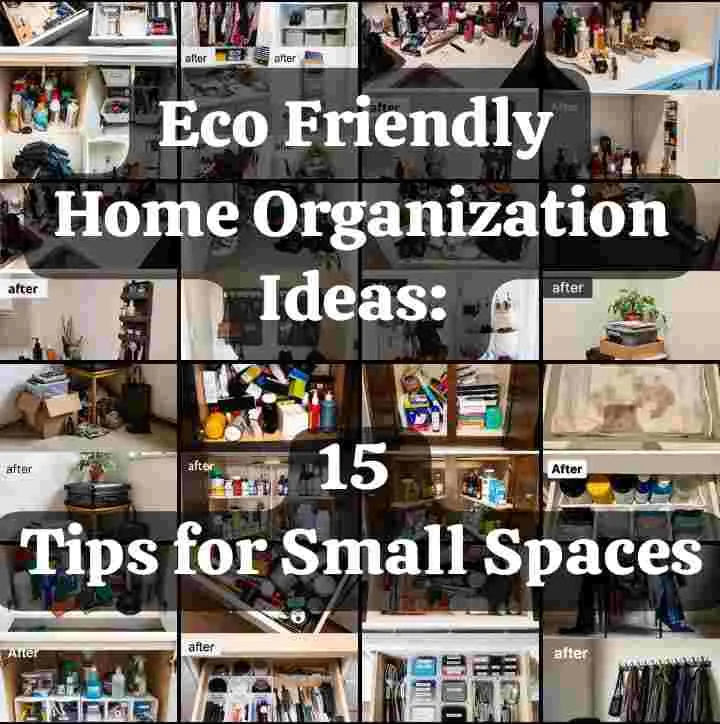
Discover 15 sustainable small space organization tips using thrifted finds, natural materials like bamboo & cotton, and upcycled solutions to declutter your home eco-friendly way.

Discover the top 15 zero-waste kitchen swaps for 2026 to cut plastic waste, save money, and create a healthier, eco-friendly home.

Discover 10 sustainable gardening tips to build an eco-friendly home environment, save water, reduce waste, and grow a healthier, greener space.
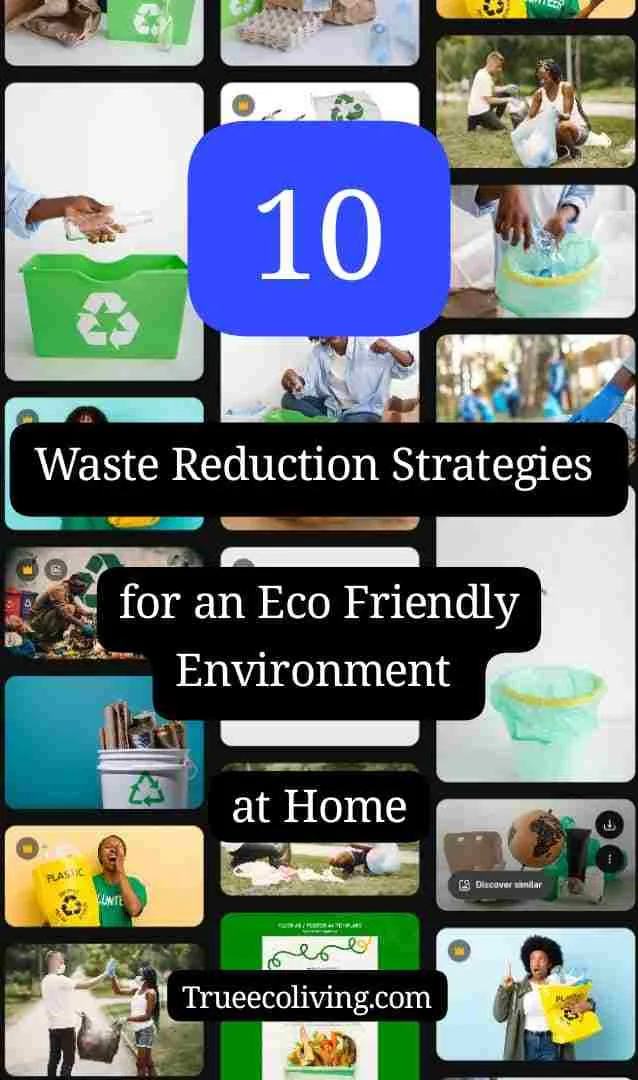
Reduce household waste with 10 practical eco friendly strategies. Cut trash, reuse smarter, save money and build a cleaner, more sustainable home.

Discover if solar is worth it in 2026 with a breakdown of installation costs, tax credits, savings, and payback timelines for your home energy needs.

12 plastic-free kitchen swaps that slash waste, save money, and eliminate toxins, swap #9 is genius and will forever change how you clean.

Zero-Waste Meubels shows how sustainable furniture transforms your space using eco materials, smart design, and low waste craftsmanship for greener living.

Discover 15 practical, high-impact sustainable living tips I follow daily: from ditching single-use plastics and composting to plant-based eating, energy savings.

Discover 14 low-waste office essentials for remote workers in 2026. Simple swaps to cut waste, save money, and create a more sustainable home workspace.