
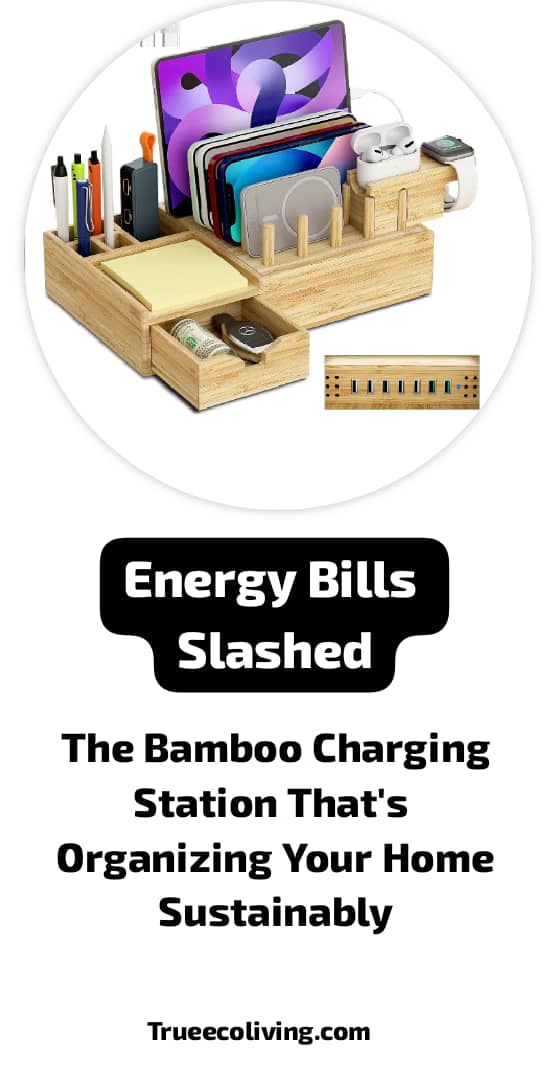
Clutter and hidden energy waste go hand in hand. A single tidy hub for phones, tablets, watches, earbuds, and chargers quietly changes how a household uses power.
Bamboo charging stations, also called docking stations or desk docks, does that job with style. They keep cables hidden, give every device its place, and make it easy to unplug the whole hub when devices are done charging.
That small habit change is where the real energy savings come from. One thing I’ve learned the hard way is this: tidy setups nudge better behavior, and better behavior is where small but steady savings hide.
In a Nutshell
- Bamboo docks replace scattered chargers with one neat station that’s easy to switch off.
- The material choice matters: bamboo is fast growing and sustainable compared with plastics.
- Wireless and smart-hub options add convenience; pair them with a smart plug to cut standby waste.
- Buy solid, FSC certified bamboo or a brand that supports verified sustainability programs.
Energy Bills Slashed: The Bamboo Charging Station That’s Organizing Your Home Sustainably
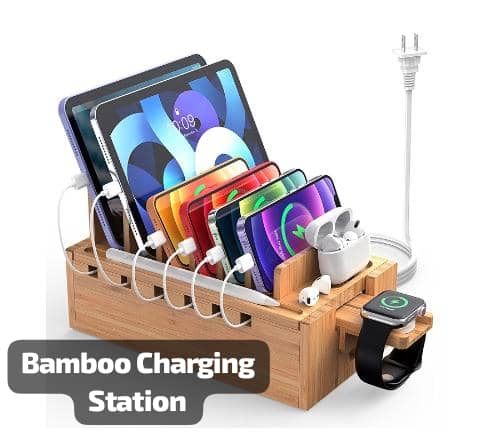
Importance of Bamboo Charging Station
This deep dive explains why bamboo docking stations are more than decor. They’re a practical step toward less waste, fewer cables, and, realistically small electricity savings through behavior change and reduced standby loads.
I’ll cover how they work, why bamboo is a smart material choice, how the savings stack up, quick buying tips, and a hands-on affiliate pick to get you started.
Why bamboo? The sustainable edge
Bamboo grows exceptionally fast and regenerates naturally, which makes it one of the best renewable materials for household goods.
Scientists and industry reports note bamboo’s strong carbon sequestration potential and fast growth cycle, which together make it an attractive low-impact alternative to plastics and mixed woods.
Bamboo charging stations often come from FSC certified sources or ethically managed suppliers; that certification helps ensure the material was harvested responsibly and not from fragile ecosystems.
Compared with plastic organizers that eventually fragment into microplastics, a well cared for bamboo dock lasts for years and looks better with age.
How a bamboo charging station actually trims energy use
Bamboo itself doesn’t reduce electricity, but the way a dock changes charging habits does. Here’s how the savings add up:
- Stops vampire loads. People commonly leave chargers and adapters plugged in around the house. These idle adapters quietly draw a few tenths to several watts each; unplugging them or switching off a central hub eliminates that phantom load. Experts and energy studies show that unplugging persistent standby draws can save measurable kWh over a year.
- Encourages full charge then unplug. When all devices live in one spot, you’re likelier to charge them, then unplug the hub, rather than leaving phones trickle charging overnight.
- Smart strip or timed power. Many docks hide the power strip inside a tray; pairing that with a timer or smart plug makes automatic shutoff simple. The combination of reduced standby and timed charging is where small annual savings accumulate.
What actually works is this: the dock reduces friction to unplugging. A tidy, obvious power station makes switching off effortless, and that habit saves both energy and money over time.
Info box: Featured Product Recommendation
TrueEco pick — The Darfoo Bamboo Charging Dock
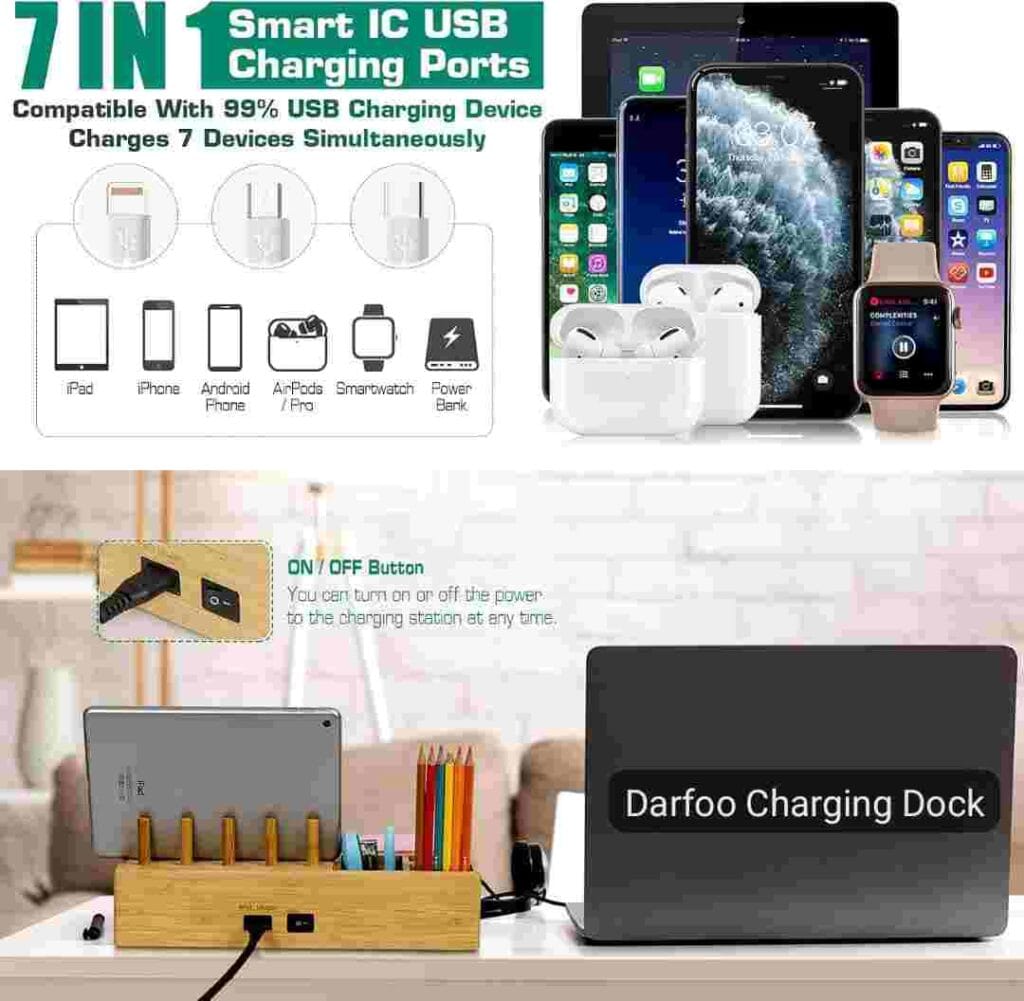
Why we chose it: Solid bamboo, removable dividers, hidden cable tray, and a small drawer for keys. It fits 5–7 devices, and it also pairs nicely with a smart inline switch so you can cut power automatically. Perfect for bedside or kitchen command centers.
Why it fits zero-waste homes: Durable natural material, reduces the urge to buy multiple chargers, and hides cables so you actually unplug them.
Affiliate note: If you buy through our link we may earn a small commission at no extra cost to you: this helps keep TrueEcoLiving running and independent.
Real-world models and price ranges of Bamboo Charging Station
There are many bamboo dock styles: plain organizer trays with dividers, multi-device stations with watch stands and earbuds spots, and wireless 3–4-in-1 docks that include Qi pads.
Brands and listings across major retailers show a healthy range budget options which can be found around $10–$20, while feature-rich wireless docks sit between $30 and $80.
Examples include SpaceAid and Pezin & Hulin for classic multi-device docks, and wireless models like Leeds for Qi-enabled setups. Product pages show removable dividers, hidden cable trays, and sometimes included cables or USB hubs.
TrueEco practical note: you don’t need the priciest model to get the behavior change. A simple dock with a hidden power-strip compartment will deliver most of the benefits.
READ ALSO: Reduce your home energy use with 10 practical eco friendly tips that lower bills, cut waste, and create a more sustainable, planet friendly home environment.
Organization perks beyond energy
- Less visual clutter so counters and nightstands look calmer.
- One communal charging spot reduces family fights over outlets and lost chargers.
- Aesthetic upgrade: bamboo fits modern and rustic interiors far better than a tangle of black cables.
- Extra storage: many docks add a little tray for keys, wallets, or a night-time watch.
From personal experience and what I’ve seen, families that switch to a single dock report fewer “where’s my charger” moments and fewer odd adapters left plugged in.
How to choose the right dock (quick checklist)
- Hidden power strip compartment: makes unplugging easy.
- Sturdy dividers and slots for your device sizes.
- Qi wireless pad only if most of your devices support Qi; otherwise wired is more efficient.
- Look for FSC certification or brand sustainability claims you can verify.
- Consider one that includes a USB hub or buy a separate energy-efficient charger to centralize plugs.
Simple setup to maximize savings
- Place the dock in a central spot (hallway table, kitchen counter, or bedside).
- Route the power strip into the hidden tray and plug the strip into a smart plug or timer.
- Teach household members to place devices in the dock to charge and to press the smart plug off at night (or schedule it).
- Compost any single-use packaging the product arrives in and keep the instruction leaflet digitally to reduce paper waste.
Discover 15 eco friendly home renovation ideas that cut energy bills, save money, and reduce waste while making your home healthier and more sustainable.
Safety and best practice notes
- Use a certified power strip rated for your devices; avoid overloading.
- If you choose wireless charging, check device compatibility and placement to prevent slow or inefficient charging.
- Verify brand claims (FSC, donations) on the vendor site before purchase.
Conclusion
A bamboo charging station is a small purchase with practical, compound benefits. It’s not a miracle energy saver on its own, but it reshapes habits; making unplugging easy, reducing phantom loads, and organizing devices so you make smarter charging choices.
The key thing to remember is this: tidy energy habits beat heroic one-off fixes. Start with one central dock, pair it with a smart plug, and watch small savings add up while your home looks better and wastes less.