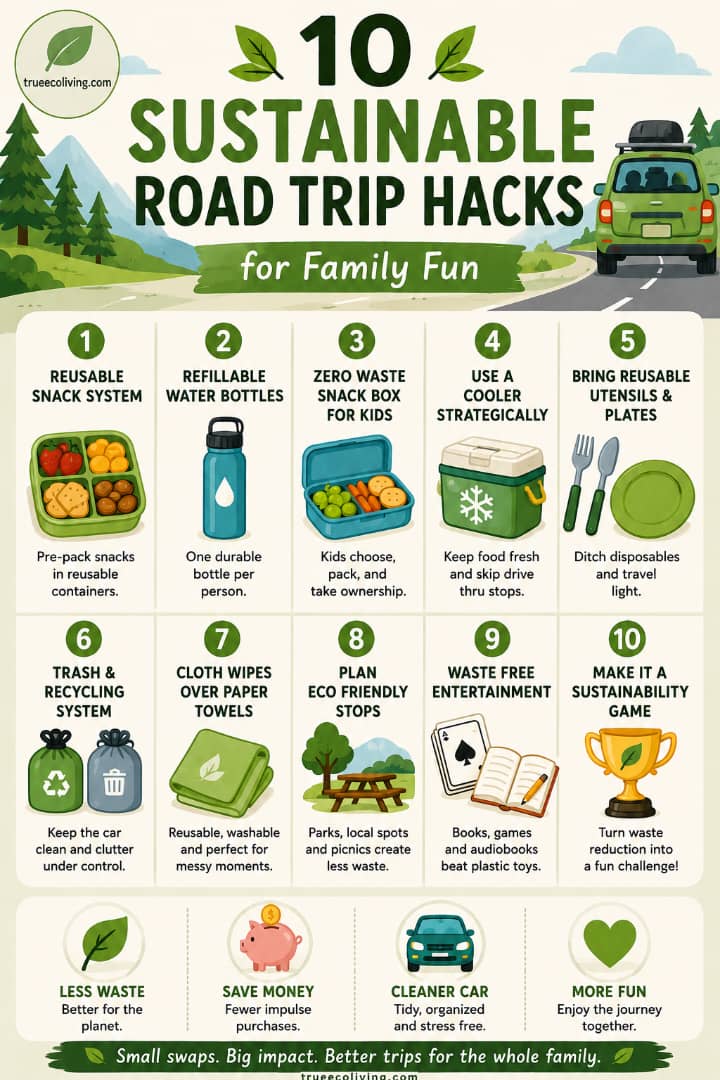
10 Sustainable Road Trip Hacks for Family Fun
If you have ever looked back at the car after a family road trip and found snack wrappers, sticky cups, and random bits of plastic everywhere, you already know the problem. Road trips can create a surprising amount of waste very fast.
The good news is that sustainable travel does not have to feel rigid or complicated. With a few simple swaps, you can cut down on clutter, save money, and make the trip smoother for everyone.
This guide gives you 10 practical road trip hacks that are easy to use with kids. You do not need a perfect zero waste setup. You just need a few reusable systems that actually work in real life.
Once you set things up well before you leave, the car stays cleaner, the stops feel calmer, and the trip becomes more enjoyable from start to finish. From my experience, the simpler the system, the more likely your family is to stick with it.
In a Nutshell
- Reusable snack containers cut down on wrappers and mess.
- Water bottles, cloth wipes, and utensils make travel simpler.
- A small trash system keeps the car cleaner all day.
- Kids enjoy sustainability more when it feels like a game.
| Trip Stage | Hack Type | Main Benefit |
|---|---|---|
| Before you leave | Reusable prep | Reduces waste from the start |
| During the drive | Snack and water systems | Keeps the car tidy and calm |
| At stops | Reusable travel kit | Reduces single use purchases |
| With kids | Game based habits | Makes sustainability fun |
Road trips often create more waste than people expect. Packaged snacks, bottled water, paper towels, fast food containers, and impulse buys at rest stops can pile up quickly.
That does not mean family travel has to be messy or wasteful. A few simple systems can make a big difference, especially when everyone knows where things go and what to use.
In my experience, the best sustainable travel habits are the ones that feel easy enough to repeat. When the setup is simple, the trip feels lighter too.
Why Sustainable Road Trips Matter
Family road trips can create a surprising amount of disposable waste in one day. Snacks, drinks, wipes, wrappers, and takeaway containers add up fast, especially when there are several people in the car.
But there is also a positive side. Traveling this way gives kids a real life example of how to make better choices without turning it into a lecture. They see the routine, copy it naturally, and begin to understand that small habits matter.
It also makes the trip feel calmer. When the car is organized and everyone knows the routine, there is less stress, less mess, and more room to enjoy the journey. That often matters more than people realize when you are traveling with children.
A sustainable road trip is not just about the environment. It is also about comfort, convenience, and saving money along the way. The less you buy on impulse, the more you keep in your pocket.
A Simple 4 Step Flow for a Cleaner Road Trip
Think of it this way.
- Step 1: Pack reusable snacks and bottles before leaving.
- Step 2: Set up a trash and recycling system in the car.
- Step 3: Bring cloth wipes, utensils, and a cooler.
- Step 4: Turn waste reduction into a simple family game.
That is enough to change the whole feel of the trip. You do not need a complicated setup. You just need habits that are easy to repeat.
The real win is consistency. Once your family gets used to the system, it starts feeling normal instead of like an extra task.
BOOKMARK: 7 Zero-Waste Airport Hacks Nobody Tells You About (Travel Smarter, Waste Less)
Section 1: Build Reusable Habits Before You Leave
The easiest way to reduce waste on a road trip is to prepare at home. A little planning before departure saves money and stops a lot of clutter later. It also helps you avoid last minute purchases that are usually expensive and heavily packaged.
1. Build a Reusable Snack System
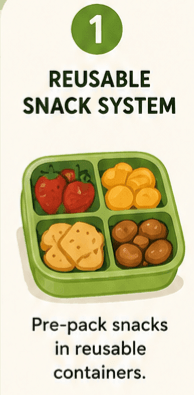
Pre portion snacks into reusable containers or bento boxes. Fill them with fruit, crackers, trail mix, or cheese cubes. This cuts down on wrappers and keeps the car organized.
It also makes snack time feel calmer because everyone knows where their food is and where the container goes when they are done. You are not digging through a giant bag of random items every time someone gets hungry.
A good snack system also helps reduce fighting in the back seat. When each child has a clear portion, there is less grabbing, less waste, and less noise about who got what.
2. Switch to Refillable Water Bottles
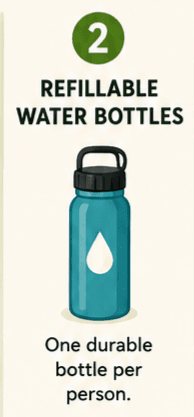
One durable bottle per person is one of the simplest swaps you can make. It cuts out repeated plastic bottle purchases and keeps everyone hydrated more easily.
Choose bottles the kids actually like so they are more likely to keep track of them. A bottle they enjoy using is a bottle they will remember, and that matters on a long day in the car.
You can also make it part of the routine by checking bottles before each departure stop. That one small habit prevents the familiar “mine is missing” conversation that happens far too often on family trips.
READ ALSO: 9 Eco Friendly Packing Tips That Save Space, Cut Waste, and Make Travel Easier
3. Pack a Zero Waste Snack Box for Kids
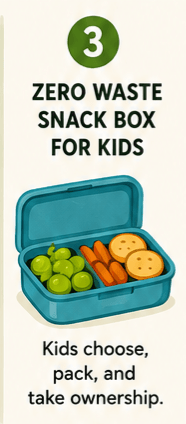
Give each child a small reusable snack box with a few treats they helped choose. That makes them more involved and less likely to ask for packaged snacks at every stop.
It also teaches them that good planning can make travel easier. When kids are part of the process, they feel proud of their own kit and tend to take better care of it.
This hack works especially well when the snack box has a clear role. It is not a random container. It becomes their travel station, which makes the whole car system feel more organized.
Section 2: Make the Car Work for You
Once the trip starts, organization matters just as much as packing. A simple setup can prevent most of the mess before it begins. If your car has a place for everything, people are far more likely to use it correctly.
4. Use a Cooler Strategically
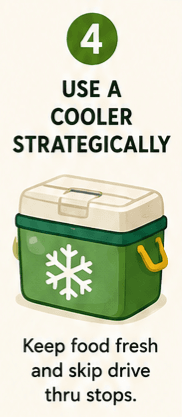
A cooler is more than a place for drinks. It can hold wraps, fruit, yogurt, boiled eggs, and other simple foods that help you skip unnecessary drive thru stops.
That saves money, reduces packaging, and makes roadside meals feel more relaxed. It also gives you more control over what everyone eats, which is useful when you are trying to keep the trip affordable.
From a practical point of view, a cooler can also reduce decision fatigue. When food is already packed and easy to reach, nobody has to debate where to eat or what to buy at the next stop.
SEE ALSO: 7 Tiny Eco Swaps That Secretly Saved Me $1,500+ Last Year
5. Bring Reusable Utensils and Plates
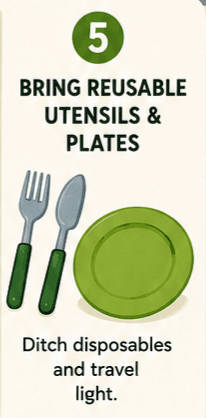
A small set of travel forks, spoons, and reusable plates can replace flimsy disposable ones. Keep them together in a pouch so they are easy to grab at stops.
This is one of those tiny habits that makes reuse feel normal. It also helps when you buy food on the road and do not want to keep accepting extra plastic items you will throw away later.
Even a compact set makes a difference. You do not need a full kitchen kit. You just need enough to keep meals tidy, practical, and low waste.
6. Create a Car Trash and Recycling System
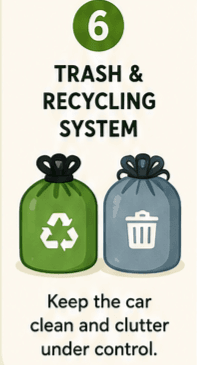
Use two small bags or bins, one for trash and one for recycling. Keep them within easy reach so wrappers do not end up on the floor or between the seats.
When the system is simple, people actually use it. If the bags are hidden or hard to access, the car quickly turns into a collection point for every receipt, straw, and snack wrapper.
This is one of the biggest differences between a clean trip and a chaotic one. A visible system is a usable system.
READ ALSO: 5 Zero-Waste Beach Day Essentials (No Mess, All Fun)
Section 3: Cut Waste During the Trip
Once you are on the road, the goal is to keep daily habits low waste without making the trip feel strict or difficult. Sustainability works best when it fits into the day naturally.
7. Swap Paper Towels for Cloth Wipes
Cloth wipes are great for sticky hands, spills, and quick cleanups. They can be washed and used again, which makes them much better for frequent use on the road.
They also take up less space than a big roll of paper towels. If you keep a few in a pouch or zip bag, you will be ready for messes without carrying unnecessary disposable products.
This is one of the easiest swaps to maintain because it works in so many situations. Food spill, dirty face, sticky seat, it handles all of them.
8. Plan Eco Friendly Stops
Instead of always stopping at the nearest fast food chain, look for parks, local bakeries, farmers markets, or scenic picnic spots. These stops usually create less waste and feel more memorable too.
A better stop can turn a boring break into part of the adventure. It gives everyone a chance to stretch, reset, and enjoy something that feels more human than a rushed queue at a service station.
These stops often lead to better food as well. Fresh local options can be more satisfying than the typical packaged road trip meal, and that is a win for both taste and waste reduction.
DISCOVER: 12 Verified Tools to Plan a Low-Impact Trip Without Greenwashing
Section 4: Make It Fun for Kids
Kids are more likely to join in when the experience feels playful instead of preachy. The point is not to create rules that feel heavy. The point is to make good habits feel normal and enjoyable.
9. Pack Entertainment That Does Not Create Waste
Bring books, audiobooks, cards, travel games, or a notebook with colored pencils. That way you are less tempted to buy throwaway toys or plastic clutter at rest stops.
It keeps the trip fun without adding extra mess. It also gives children something to do that does not involve more packaging or more things to throw away later.
A little variety helps here. One quiet option, one creative option, and one group game can carry you a long way before boredom starts to creep in.
10. Turn the Trip Into a Sustainability Game
Make waste reduction feel like a challenge. For example, count how many single use items the family avoided or give points for remembering water bottles and snack boxes.
When kids feel included, they usually get excited about helping. A simple reward system can make the habit stick without feeling forced.
This is also a great way to keep everyone focused on progress instead of perfection. The trip becomes about teamwork, not just cleanup.
SEE ALSO: 9 Best Eco-Friendly Travel Destinations for Beginners in 2026
Why These 10 Made the Cut
These hacks were chosen because they are practical, affordable, and easy to repeat. They do not depend on perfection. They depend on simple systems that work in a real family car.
The best part is that many of them save money too. Reusable bottles, snack containers, and planned food stops can all cut down on unnecessary spending.
They also reduce decision stress. Once your travel setup is ready, there is less need to improvise every ten minutes, which makes the whole day feel smoother.
The point is not to do everything. The point is to do a few useful things well enough that they become part of the routine.
Practical Example: A Family Road Trip in Action
Picture a weekend road trip with two kids, one cooler, and a few reusable containers.
Before you leave, snacks are packed into small boxes, water bottles are filled, and cloth wipes are ready in the car. The trash and recycling bags are already clipped in place.
During the drive, the family uses the cooler for lunch, takes a break at a park instead of a drive thru, and keeps the car tidy with a simple clean up at each stop.
At the next stop, the kids refill their bottles, toss wrappers into the right bag, and settle into a card game instead of asking for a new plastic toy. The whole trip feels less chaotic because the system is already working.
By the end of the trip, there is less waste, less stress, and a lot less cleanup. That is the real point.
READ ALSO: Eco Friendly Lifestyle Changes for Families: 30 Practical Habits Kids Will Love
Pro Tips for Traveling More Sustainably
- Start with just two or three swaps so the system stays easy.
- Keep reusable items where everyone can reach them.
- Plan meals and stops ahead of time when possible.
- Let kids help so they feel responsible too.
These small habits may look simple, but they are the ones that usually stick. When you remove friction, good behavior becomes much easier to maintain.
Another smart move is to pack a tiny backup kit in the trunk. A spare bag, extra napkins, and an additional bottle can rescue the day if something gets lost or spills unexpectedly.
Common Mistakes to Avoid
One common mistake is bringing too many containers and accessories, which creates more clutter instead of less. Another is forgetting to set up the trash system before the trip begins.
It is also easy to expect kids to follow the routine without involving them first. When they help choose and pack things, they are far more likely to use them properly.
A final mistake is trying to do everything at once. Start small, test what works, and keep the parts that actually make life easier.
Conclusion
Sustainable road trips are not about doing everything perfectly. They are about making a few smart changes that reduce waste and make the trip easier for the whole family.
Reusable snacks, refillable bottles, cloth wipes, better stops, and a simple trash system can transform the experience. The car stays cleaner, the costs go down, and the trip feels calmer.
Start with one or two hacks, then add more as they become part of the routine. Small changes are still meaningful, and they add up fast on the road.
That is the real beauty of sustainable family travel. It is not about guilt. It is about making the journey smoother, lighter, and more enjoyable for everyone in the car.
Frequently Asked Questions
Yes. Simple systems and a flexible attitude make it much easier. Start with one swap like reusable bottles and build from there.
Reusable water bottles and snack containers are the easiest starting points because they reduce waste right away and are simple for kids to use.
Use a well insulated cooler, add ice packs, pre chill food before packing, and keep perishable items sealed and easy to reach.
Some reusable items cost more at first, but they often save money over time because you stop buying disposable snacks, bottles, and extras.
Make it feel like a game, give them small responsibilities, and let them help choose the snacks, bottles, and stops.