

You definitely must have poured laundry detergent into your washing machine and wondered whether you were using enough. Or should I say, you are possibly one of those people who believe that adding a little extra detergent will make clothes smell fresher and look cleaner.
I understand why this happens. We often associate more cleaning products with better cleaning results. However, laundry detergent doesn’t work that way. Using too much can actually make your laundry routine less effective, more expensive, and unnecessarily wasteful.
You see, I always takes non-toxic cleaning and eco-friendly living seriously, I always encourage people to measure their cleaning products rather than pour them blindly.
The goal is to use enough detergent to remove dirt without leaving unnecessary residue behind.
So, how much laundry detergent should you really use? Let’s get into it.
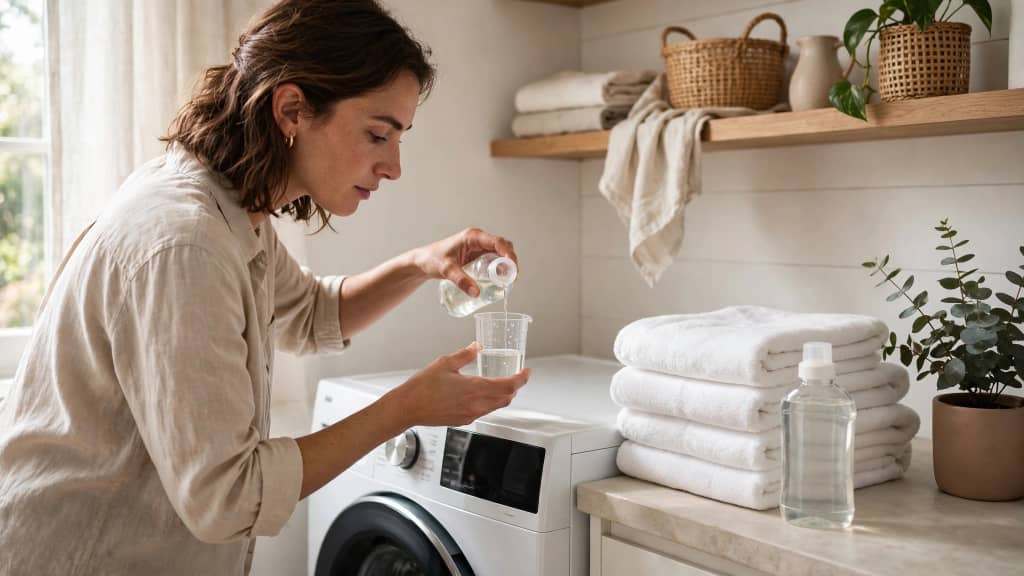
How Much Laundry Detergent Should You Use Per Load?
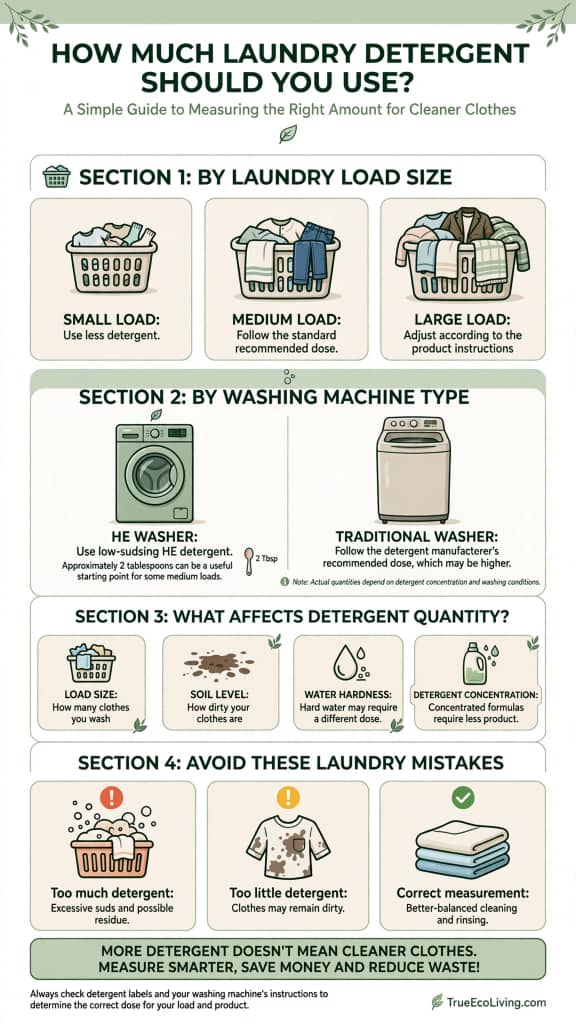
For a medium-sized load in a high-efficiency (HE) washing machine, approximately two tablespoons of HE detergent is a useful starting point.
For a traditional washing machine, a regular detergent dose may be around 1/4 cup for a medium load, depending on the product’s concentration.
However, I wouldn’t recommend treating these measurements as universal rules. Some detergents are highly concentrated, meaning you need considerably less product to achieve the same cleaning performance.
Here is what I consider before measuring detergent:
- Small loads: Use less detergent than the recommended medium-load dose.
- Medium loads: Follow the manufacturer’s standard measurement for an average load.
- Large loads: Increase the dose only as instructed on the detergent packaging.
- Heavily soiled clothes: Follow the heavy-soil recommendation or pretreat stubborn stains rather than pouring excessively.
My advice is simple: check the detergent label first. The concentration of the product matters just as much as the quantity of clothes you are washing.
BOOKMARK: Does Laundry Detergent Expire? The Surprising Truth About Old Detergent!
5 Factors That Determine How Much Detergent You Need
1. The Size of Your Laundry Load
This is one of the biggest factors I consider. Washing a few T-shirts requires less detergent than washing a full load of bedsheets, towels and everyday clothing.
However, don’t assume that filling your machine to its maximum capacity means you should automatically double the detergent. Follow the washer’s loading recommendations and the detergent’s instructions.
2. How Dirty Your Clothes Are
Lightly worn clothes don’t require the same amount of cleaning power as muddy sportswear, greasy work clothes or heavily stained towels.
I prefer treating difficult stains before washing instead of continually increasing detergent quantities. This helps direct cleaning power where it is needed without overloading the entire wash.
3. Water Hardness
Water hardness is something many households overlook. Hard water contains minerals, particularly calcium and magnesium, which can interfere with detergent performance.
Soft water generally requires less detergent, while hard water may require a higher recommended dose. I wouldn’t automatically add extra detergent without understanding your water conditions first.
4. Your Washing Machine Type
Front-loading and high-efficiency washing machines generally use less water than traditional top-load machines. That’s why they need appropriately formulated low-sudsing HE detergent.
Using regular detergent in an HE machine can create excessive suds, interfere with rinsing and affect cleaning performance. Always look for the HE symbol when your machine requires it.
5. Detergent Concentration
This is where I think many people make costly mistakes. A concentrated detergent is designed to deliver cleaning performance with a smaller quantity of product.
For example, an 8x concentrated detergent cannot be measured using the same quantity as a traditional detergent without checking its instructions first.
Never assume that two different detergent brands require the same amount simply because they come in similar-sized bottles.
Read More: How to Remove Lingering Laundry Detergent Fragrance From Clothes (5 Easy Fixes)
What Happens When You Use Too Much Laundry Detergent?
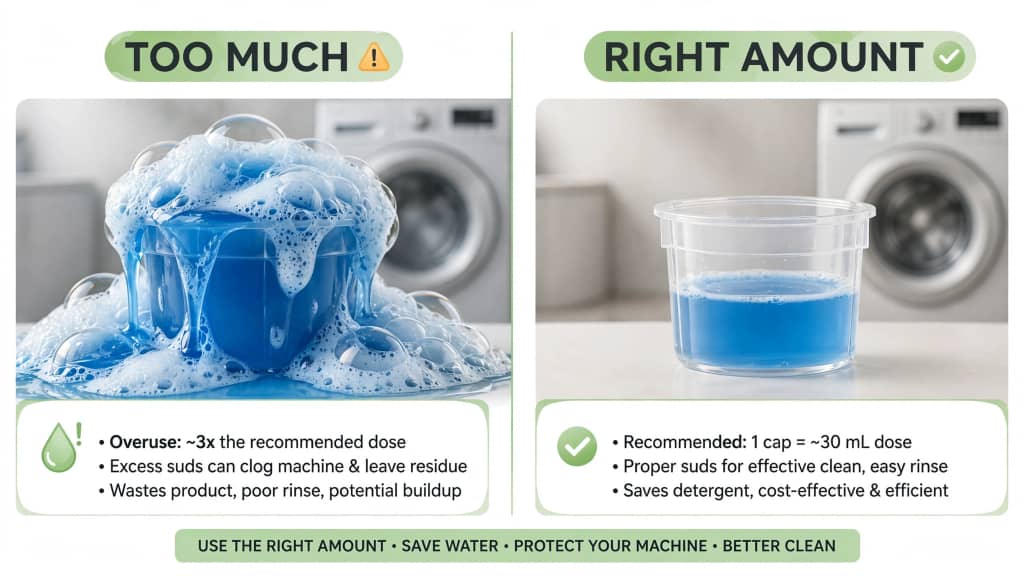
I always remind people that more detergent doesn’t mean a better wash. Excess detergent can create several problems that are easily mistaken for poor washing machine performance.
- Detergent buildup: Excess product can remain on fabrics, making clothes feel stiff or uncomfortable.
- Excessive suds: Too many bubbles can interfere with the washing and rinsing process.
- Unpleasant laundry smells: Residue and buildup inside the washer can contribute to unpleasant odours.
- Extra expenses: You finish detergent bottles faster and spend more money than necessary.
- Unnecessary waste: Excess detergent means more product entering wastewater than the washing process requires.
When I notice laundry problems, I don’t immediately assume I need a stronger detergent. Sometimes, the first thing worth checking is whether too much product is being used.
What Happens When You Use Too Little Detergent?
Using too little detergent isn’t ideal either. Detergent contains cleaning ingredients that help lift dirt, oils and other soils from fabric.
When the amount is insufficient for the load and water conditions, you may notice:
- Clothes that still look dirty after washing.
- Persistent body odours in towels and everyday clothing.
- Greasy marks and stains that remain on fabrics.
- Soils that are not adequately removed during washing.
The solution isn’t to pour detergent excessively. Adjust the amount according to the load, soil level and water hardness.
Liquid, Powder, Pods or Laundry Sheets: Does the Amount Change?
Absolutely. Different laundry detergent formats have different concentrations and dosing instructions.
- Liquid detergent: Measure using the product’s recommended quantity. Avoid filling the measuring cap completely unless the instructions require it.
- Powder detergent: Use the supplied scoop or recommended measurement. Store it somewhere dry to prevent clumping.
- Detergent pods: Use the manufacturer’s recommended number for your load. Avoid adding extra pods unnecessarily.
- Laundry detergent sheets: Follow the package instructions. Some products allow partial sheets for smaller loads, while others specify a complete sheet.
Personally, I like laundry products that make accurate measuring straightforward. It removes guesswork and helps households avoid unnecessary product consumption.
RELATED: 15 Low Waste Laundry Tips for an Eco-Friendly Environment at Home
My Eco-Friendly Tips for Using Laundry Detergent Wisely
One thing I consistently encourage in an eco-conscious home is learning to use everyday products responsibly. You don’t always need to purchase another cleaning product to improve your laundry routine.
- Use a measuring tool: Don’t estimate detergent quantities by pouring directly from the bottle.
- Choose concentrated products carefully: Check the dose per wash rather than judging value by bottle size alone.
- Wash full but not overloaded loads: Make efficient use of water and electricity without restricting clothes from moving freely.
- Pretreat stubborn stains: This can reduce the temptation to use excessive detergent.
- Clean your washing machine regularly: Follow its maintenance instructions to prevent detergent buildup.
- Choose suitable formulations: Consider fragrance-free options if you prefer to avoid added fragrance, and check ingredient information rather than relying on marketing claims.
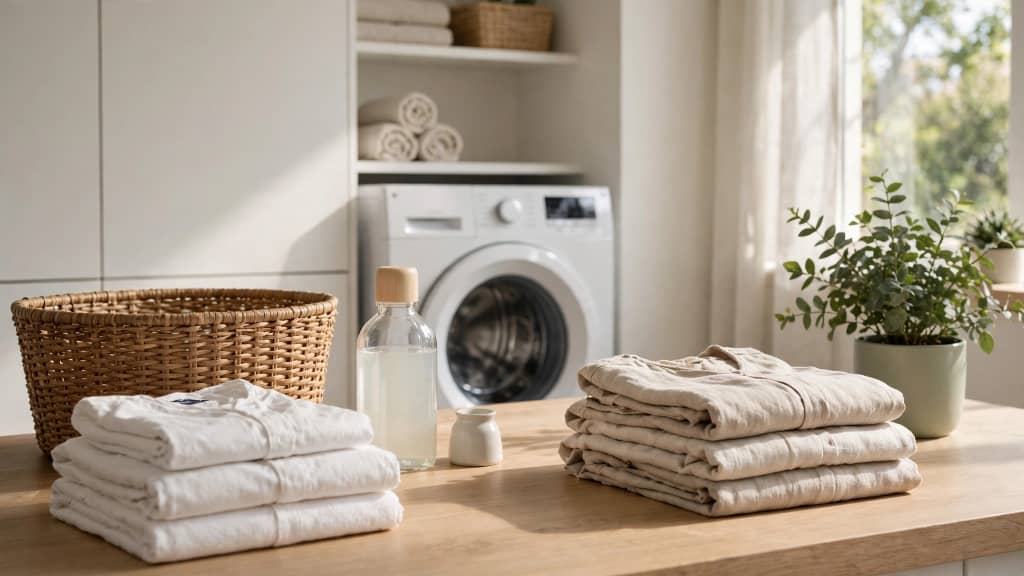
5 Things to Remember About Laundry Detergent Dosage
- A medium load in an HE washer may need approximately two tablespoons of HE detergent, depending on the product.
- Load size, water hardness and soil level all influence detergent requirements.
- Concentrated detergents require smaller doses than less concentrated alternatives.
- Too much detergent can cause excessive suds, residue and poor rinsing.
- Measuring detergent correctly saves money, reduces waste and supports a more responsible laundry routine.
READ ALSO: 7 Best Non-Toxic Laundry Detergents That Actually Clean Clothes
Conclusion: Stop Guessing and Start Measuring Your Laundry Detergent
So, how much laundry detergent should you use? Enough to clean your clothes effectively, but not so much that you leave unnecessary product behind.
I believe one of the simplest ways to create a more sustainable home is to become intentional about the products we already use. Laundry detergent is a perfect example. A little attention to measuring can make a meaningful difference to your household spending, laundry results and overall product consumption.
You don’t need a mountain of detergent to get clean clothes. You need the right formula, the right amount and a washing routine that makes sense.
TrueEcoLiving Verdict
My verdict is simple: stop treating detergent quantity as a measure of cleaning power. The smartest laundry routine isn’t the one that uses the most product; it is the one that uses the correct amount consistently.
As I see it, conscious cleaning begins with small decisions. Measuring your detergent properly is an easy, affordable habit that can help you maintain cleaner clothes while avoiding unnecessary waste.
Further reading: Whirlpool: How to Use HE Detergent in a Washing Machine.
Frequently Asked Questions
Two tablespoons can be enough for a medium load in a high-efficiency washing machine when using an appropriately concentrated HE detergent. However, a full or heavily soiled load may require a different amount. Always check the detergent label.
Using excessive detergent can leave residue on fabrics, making them feel stiff or uncomfortable. It can also contribute to detergent buildup inside your washing machine and interfere with proper rinsing.
Heavily soiled clothing may require a higher dose within the manufacturer’s recommended range. Pretreating stubborn stains before washing is another useful option. Avoid exceeding the recommended quantity.
Generally, yes. Minerals in hard water can interfere with detergent performance, so you may need a higher recommended dose than someone using soft water. Follow your detergent manufacturer’s guidance for your water conditions.
About the Author
Agboola Elizabeth is an Eco Living Coach and contributor at TrueEcoLiving, passionate about non-toxic cleaning, sustainable living and practical ways to create healthier, more environmentally conscious homes. Through helpful research and everyday cleaning insights, Elizabeth encourages readers to make smarter choices that benefit their households and the environment.