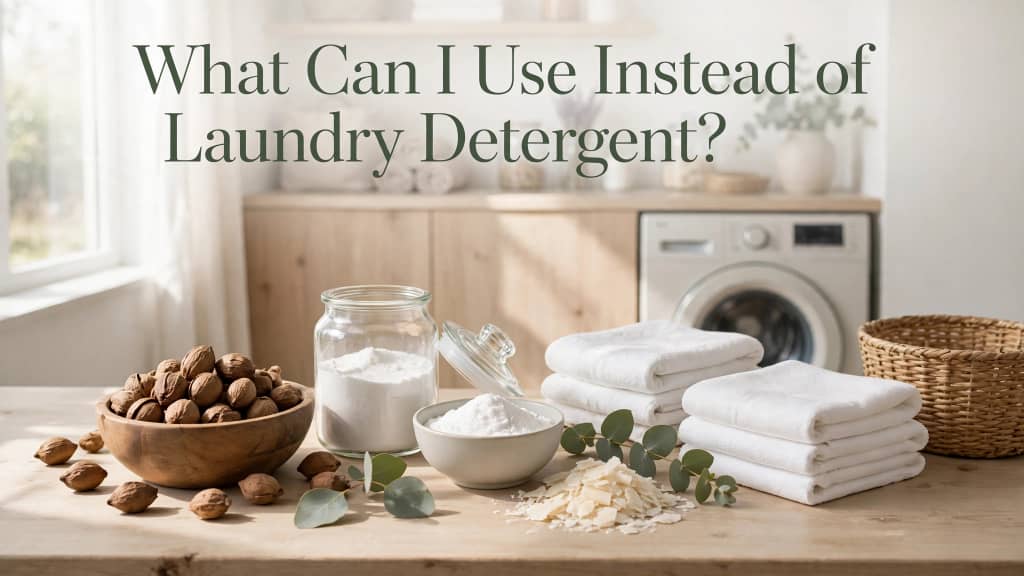
You definitely must have known how frustrating it can be when one run out of laundry detergent, just when you have a pile of clothes waiting to be washed? And it may be that you are trying to reduce the number of synthetic ingredients and unnecessary chemicals used around your home.
Whatever your reason, you might be wondering: What can I use instead of laundry detergent?
Fortunately, there are several alternatives worth considering. Some are plant-based, others are simple household ingredients, and a few offer a more sustainable way to wash clothes without relying on conventional liquid detergents.
As a person, I believe that making healthier household choices should not mean sacrificing cleanliness. I also believe it is important to understand what actually works rather than assuming that everything labelled natural is automatically effective or environmentally friendly.
In this guide, I will explore seven alternatives, explain their benefits and limitations, and share which options I would recommend for a more sustainable laundry routine.
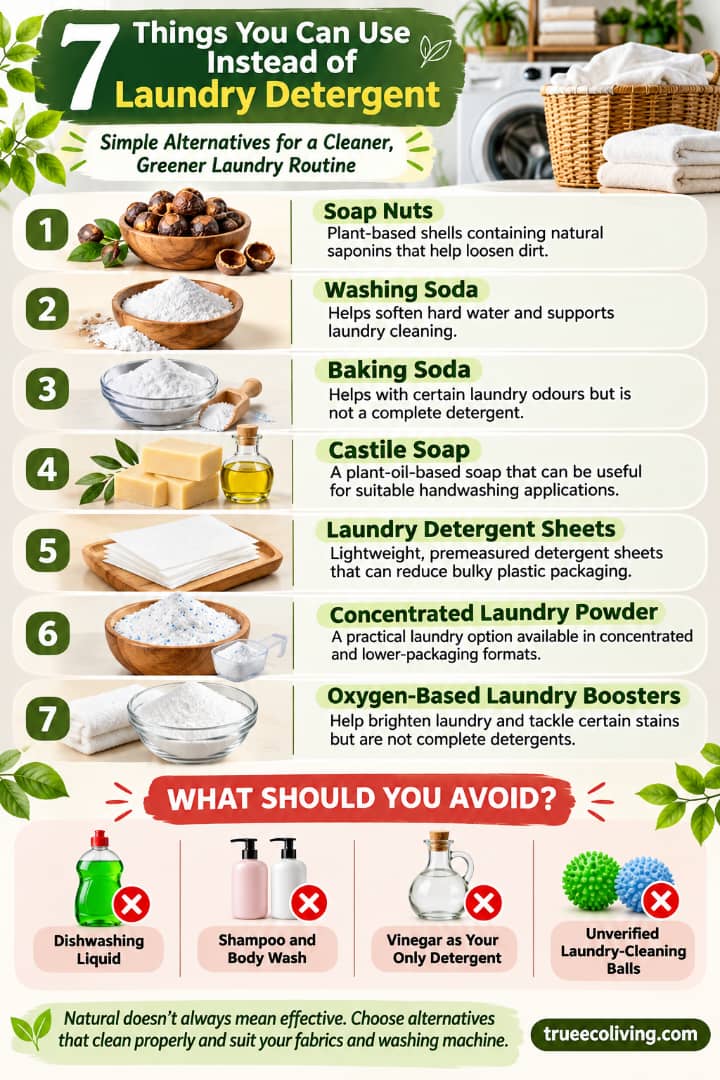
7 Things You Can Use Instead of Laundry Detergent
1. Soap Nuts (Soap Berries)

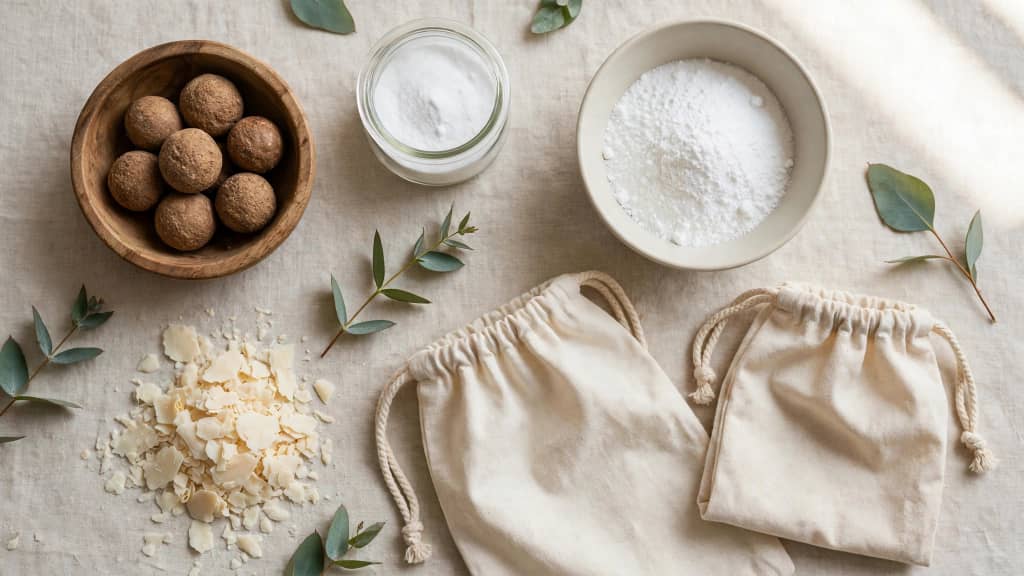
Soap nuts are one of the most interesting plant-based alternatives to conventional laundry detergent.
They are dried shells from soapberry fruits and naturally contain substances called saponins. These compounds can help loosen dirt and create a mild cleansing effect when they come into contact with water.
I find NaturOli soap nuts particularly interesting for people who want to explore simpler, plant-derived laundry solutions.
Benefits:
- Plant-derived cleaning compounds.
- Reusable shells for multiple washes, depending on the product instructions.
- Minimal packaging options are available.
- Suitable for lightly soiled everyday laundry.
What to consider: Soap nuts may not clean heavily stained, greasy or particularly dirty clothes as effectively as a formulated laundry detergent. Their performance can also vary depending on water conditions and washing temperature.
They are worth considering, but I would not rely on them for every laundry situation.
2. Washing Soda

Washing soda, also called sodium carbonate, is a useful laundry booster.
MAXTITTE washing soda for instance helps soften hard water and improve the cleaning performance of other laundry ingredients.
However, I want to make one important distinction: washing soda alone is not a complete replacement for laundry detergent.
It works best as a supporting ingredient rather than your only cleaning solution.
Benefits:
- Helps with hard-water laundry problems.
- Supports soil removal when used with an appropriate cleaning product.
- Useful for improving certain laundry formulations.
What to consider: Washing soda is alkaline and can be harsh on delicate materials. Avoid using it casually on wool, silk and other delicate fabrics.
3. Baking Soda

Baking soda is another common household ingredient that people consider when looking for laundry detergent alternatives.
I actually prefer ARM & HAMMER Baking Soda as it help with certain unpleasant odours and may support the washing process, especially when used alongside an appropriate detergent.
I particularly like the idea of using simple ingredients where they genuinely serve a purpose.
However, baking soda is not a complete laundry detergent. It does not provide the range of cleaning ingredients needed to remove different types of dirt, body oils and stubborn stains effectively.
Benefits:
- Helps with some unpleasant laundry odours.
- Inexpensive and widely available.
- Can be used as a laundry booster.
What to consider: Do not expect baking soda alone to thoroughly clean an entire load of dirty clothes.
DISCOVER: 7 Best Non-Toxic Laundry Detergents That Actually Clean Clothes
4. Castile Soap or Pure Soap Flakes

Castile soap is traditionally made using plant-based oils. It is a versatile alternative to conventional cleaning products. A good example is the WHOLENATURALS Pure Castile Soap Liquid.
Pure soap flakes are another option worth considering, particularly for occasional handwashing.
They can help remove ordinary dirt from lightly soiled clothing.
However, soap behaves differently from modern laundry detergent. In hard water, it can react with minerals and leave deposits on fabrics.
I would be particularly cautious about using homemade soap mixtures in high-efficiency washing machines because residue and cleaning performance can become concerns.
Best for: Occasional handwashing of suitable fabrics, rather than being an automatic replacement for machine laundry detergent.
5. Eco-Friendly Laundry Detergent Sheets

This is one of my favourite alternatives for anyone whose main concern is reducing plastic packaging and unnecessary liquid products.
Laundry detergent sheets are thin, premeasured sheets containing concentrated cleaning ingredients. They dissolve in water during washing.
Although they are still detergents, they offer a different format from conventional liquid laundry products.
Benefits:
- Lightweight and convenient.
- No bulky liquid detergent bottles.
- Easy to store.
- Premeasured portions can help prevent excessive use.
- Some brands offer fragrance-free formulations. And Match with Nature is highly recommended.
What to consider: Check the ingredients, packaging and washing instructions. Not every detergent sheet is equally effective, and you should not assume that a product is safer simply because it comes in a sheet.
6. Concentrated Eco-Friendly Laundry Powder

Another option I recommend considering is concentrated laundry powder.
Unlike some liquid detergents, concentrated powders generally contain less water in the product itself. This can make storage and packaging more efficient.
Look for products with transparent ingredient information and independent environmental certifications where available.
Benefits:
- Often available in cardboard packaging.
- Concentrated formulations can reduce packaging waste.
- Suitable options exist for sensitive skin.
- Convenient for households that prefer traditional washing methods.
I particularly recommend comparing fragrance-free formulations if you are trying to reduce unnecessary fragrance exposure.
7. An Oxygen-Based Laundry Booster
WELL Oxygen laundry boosters, commonly containing sodium percarbonate, can help brighten laundry and tackle certain stains.
They are particularly useful as an additional laundry treatment.
However, they are not complete detergents. They should be used according to the manufacturer’s instructions and fabric-care requirements.
I would consider them useful for occasional stain and whitening support, rather than as a product to replace your regular cleaning solution.
Read Also/ How Much Laundry Detergent Should You Really Use? The Right Amount Might Surprise You!
Two Products Worth Considering for a More Sustainable Laundry Routine
If you are transitioning away from conventional liquid laundry detergents, these two product options are worth investigating.
They are not completely detergent-free, but they offer different approaches to laundry cleaning and packaging.
1: NaturOli Soap Nuts
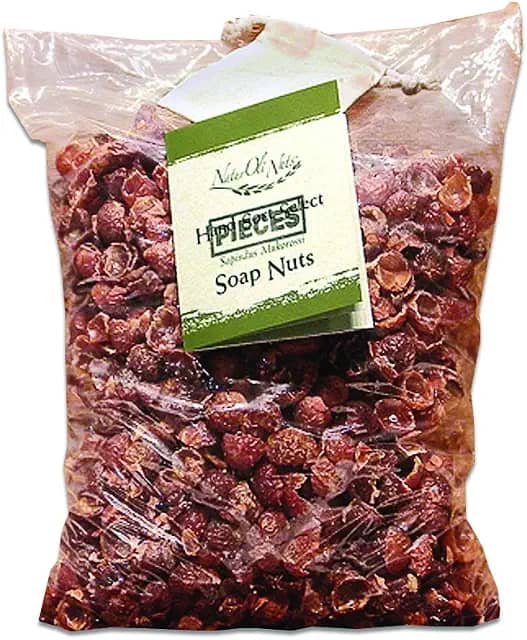
Soap Nuts/Berries
Product category: Plant-based laundry alternative.
Soap nuts are an interesting option for households interested in plant-derived laundry cleaning.
Why consider them?
- Contain naturally occurring saponins.
- Offer an alternative to conventional liquid laundry products.
- Can be reused according to product instructions.
- Suitable for exploring a simpler laundry routine.
My recommendation: Consider soap nuts for lightly soiled everyday clothing. Keep a suitable laundry detergent available for tougher stains, heavily soiled garments and situations requiring more reliable cleaning.
Find NaturOli on Amazon
2: Tru Earth Laundry Detergent Eco-Strips
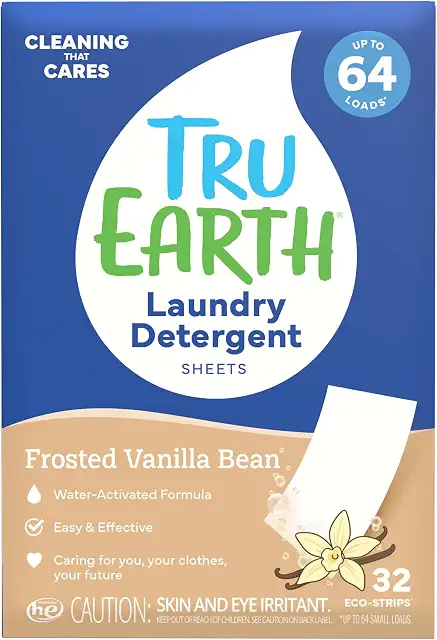
Product category: Concentrated laundry detergent sheets.
Tru Earth’s Eco-Strips are worth considering if your main goal is to reduce bulky liquid detergent packaging.
Why consider them?
- Lightweight sheet format.
- Convenient premeasured portions.
- Easy storage without large detergent bottles.
- A practical option for households transitioning to a lower-packaging laundry routine.
My recommendation: This is a particularly interesting option for people who want the convenience of a formulated laundry product without relying on traditional liquid detergent bottles.
Remember that these sheets are still laundry detergent, not a completely detergent-free alternative.
Find TruEarth on Amazon
Take note: These are Amazon search links rather than verified individual product listings. Confirm current availability, seller information and ingredient details before purchasing.

What Should You Avoid Using Instead of Laundry Detergent?
Not every household cleaning product belongs in your washing machine.
Here are some common substitutes I would avoid.
Dishwashing liquid: Dish soap creates a lot of foam and is not formulated for washing machines. Excessive suds can cause problems, particularly in machine systems designed for low-sudsing products.
Shampoo and body wash: These products are formulated for personal cleansing rather than laundry. They may leave unwanted residue and create excessive foam.
Vinegar as your only detergent: White vinegar does not contain the cleaning ingredients needed to replace laundry detergent. It should not be treated as a complete laundry solution.
Borax-based homemade mixtures: I would not automatically assume that homemade borax laundry recipes are safer because they contain fewer ingredients.
Borax has recognised health and safety concerns, so I prefer to avoid casually recommending it for routine household cleaning.
Laundry balls: Be cautious about products claiming to clean clothes using magnets, ceramic beads or similar mechanisms without conventional cleaning ingredients. Do not assume they provide detergent-level cleaning.
How to Choose the Best Laundry Detergent Alternative
The best choice depends on what you are trying to achieve.
If you want a plant-based option, soap nuts are worth exploring.
If you want to reduce plastic packaging, concentrated powders and laundry sheets are practical alternatives.
If you mainly wash lightly soiled clothes by hand, suitable pure soap flakes may be an option.
For heavily soiled clothing, towels, underwear and everyday family laundry, I would prioritise a properly formulated laundry product with demonstrated cleaning performance.
I also recommend looking for products carrying the EPA Safer Choice label when shopping in markets where those certified products are available.
Another important consideration is your washing machine. Always check whether an alternative is suitable for your machine, particularly if you use a high-efficiency model.

READ ALSO: Enzyme-Based vs. Enzyme-Free Laundry Detergents: Which Cleans Better?
TrueEcoLiving Verdict
So, what can you actually use instead of laundry detergent?
My honest recommendation is to choose an alternative based on your cleaning needs rather than simply choosing the product with the most natural-sounding ingredients.
Soap nuts are worth exploring if you prefer plant-derived alternatives and mainly wash lightly soiled clothing. Laundry detergent sheets and concentrated powders are excellent options to investigate if your priority is reducing packaging waste.
I would not recommend relying on baking soda, vinegar or washing soda alone to clean an entire load of laundry. They have useful household applications, but they do not provide everything required for reliable fabric cleaning.
I also encourage readers to be cautious about homemade detergent recipes. Natural ingredients are not automatically harmless, and simple homemade mixtures do not necessarily clean as effectively as properly formulated products.
For a healthier and more sustainable home, my preferred approach is to use the smallest effective amount of a well-formulated laundry product, choose transparent ingredients, reduce unnecessary packaging and avoid products that make exaggerated green claims.
That is a more practical and responsible way to approach eco-friendly laundry.
Five Things to Remember
- Soap nuts are a plant-derived alternative worth considering for lightly soiled clothes.
- Baking soda and washing soda are laundry boosters, not complete detergent replacements.
- Eco-friendly laundry sheets and concentrated powders can help reduce packaging waste.
- Avoid using dish soap, shampoo or vinegar as complete replacements for laundry detergent.
- Choose products with transparent ingredients, good cleaning performance and suitable environmental certifications.
Conclusion
Finding an alternative to conventional laundry detergent does not have to be complicated.
From soap nuts and pure soap flakes to concentrated powders and laundry sheets, there are several ways to change your laundry routine while being more conscious of household ingredients and environmental waste.
The most important lesson I want readers to remember is that effective cleaning and sustainable living should work together.
I encourage you to start with one practical change. Perhaps that means trying a plant-based laundry alternative, switching to concentrated powder or choosing a lower-packaging detergent.
Small, thoughtful household decisions can make your everyday cleaning routine more sustainable over time.
Reference: For additional guidance on choosing cleaning products with safer ingredients and understanding the limitations of homemade cleaners, consult the US Environmental Protection Agency’s Safer Choice Frequently Asked Questions.
Frequently Asked Questions
Soap nuts are one of the best-known plant-derived alternatives because they contain natural saponins that can help loosen dirt. However, their cleaning performance varies, and they may not be suitable for heavily soiled clothing.
Baking soda can help with some laundry odours and act as a washing booster, but it cannot replace a complete laundry detergent. It does not provide all the cleaning ingredients needed to remove different types of dirt and oils.
Yes, some lightly soiled clothes can be washed using suitable alternatives such as soap nuts or appropriate soap products. However, for heavily soiled clothing and reliable everyday cleaning, a properly formulated laundry product is generally a better choice.
No. White vinegar is not a complete laundry cleaning product because it does not contain the ingredients needed to remove everyday dirt and body oils effectively. It should not replace laundry detergent.
There is no single best option for every household. Soap nuts, concentrated laundry powders and detergent sheets are worth considering. Compare cleaning performance, ingredient transparency, packaging and local availability before choosing.
About Author – Agboola Lizzy
Agboola Lizzy is an Eco Living Coach passionate about non-toxic cleaning, sustainable living, and helping families create healthier, eco-friendly homes.